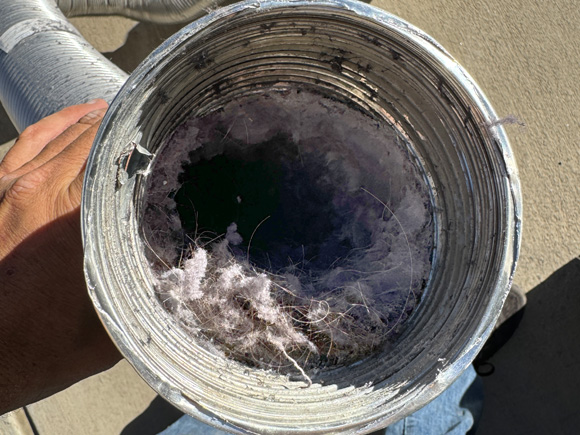
A clog here shows up quickly, because the run is short enough that even a partial blockage kills airflow outright. Damp clothes after a full cycle, a laundry room that stays hot, nothing coming out of the hood. The usual causes in Hutchins are a crushed transition hose behind the machine or lint packed solid at the single bend most of these runs have. We find it rather than guessing, clear the duct, and verify the outlet.
For a free estimate on dryer vent cleaning in Dallas, call (940) 283-9738 or (214) 972-0981.
A blockage rarely announces itself. It shows up as clothes still damp after a full cycle, a laundry room that feels like a sauna, or an outside hood that is not blowing anything. In Dallas the cause depends entirely on the building: a crushed transition hose in a rental house, packed lint at an attic bend, or an obstruction several floors up a shared high-rise stack. We locate it rather than guessing, clear the full duct, and verify air is moving outside.
Blocked vent in Dallas? Call us for a free estimate on (940) 283-9738 or (214) 972-0981.
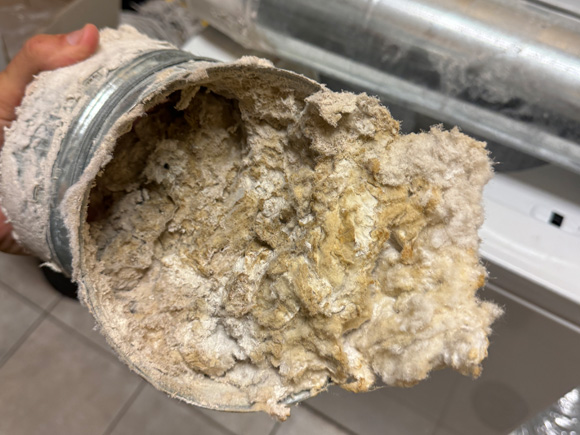
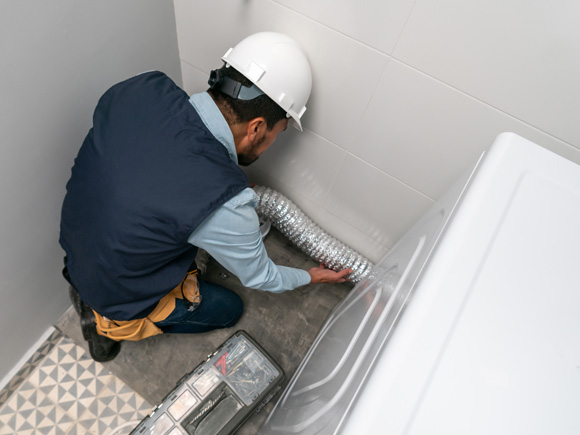
Not every vent problem needs new duct. Plenty of what we open up in Dallas just needs a separated joint re-secured, a torn section patched, a sagging run supported, or foil tape where somebody used screws that snag lint on every load. We troubleshoot the entire path and fix the actual weak point. Sealing that leak also keeps humid air out of wall cavities and ceilings, which is what turns a small problem into a drywall and mold job later.
For dryer vent repair in Dallas, call (940) 283-9738 or (214) 972-0981.
Some ductwork is past saving. Flexible foil and old vinyl sag between joists, trap lint in every ridge, and tear the moment the dryer gets moved. In Dallas's older housing that material is everywhere. We replace the run with smooth rigid metal sized to the appliance. The difference is immediate: air moves freely, loads dry in one cycle, and the duct no longer holds fuel against a heat source.
Need a vent replaced in Dallas? Free estimate on (940) 283-9738 or (214) 972-0981.
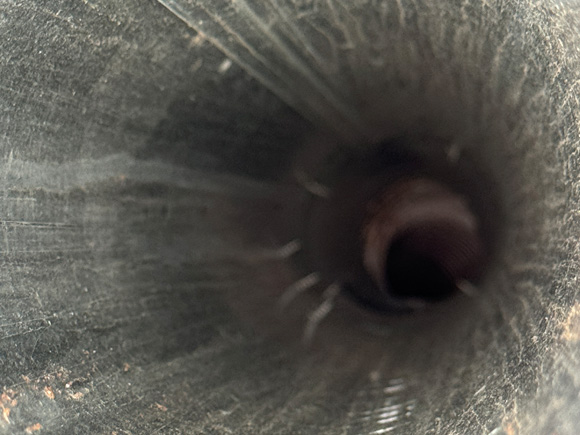
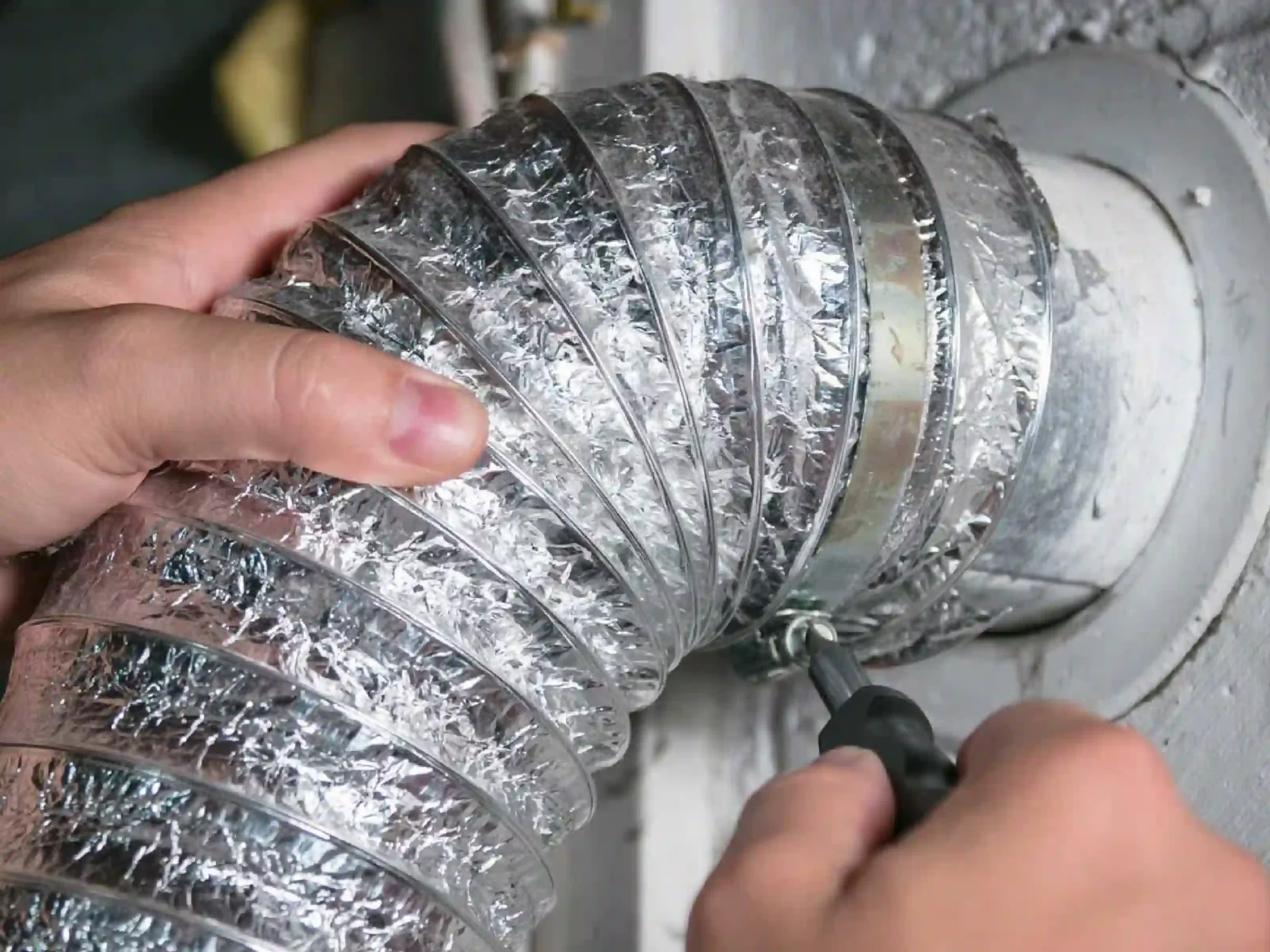
A new laundry room, a relocated washer and dryer, or a converted unit downtown all need venting done right the first time. We plan the shortest workable path, keep elbows to a minimum, seal every joint, and terminate outdoors with a proper hood — never into an attic, crawlspace, or garage. Done this way the system dries clothes faster, uses less energy, and passes inspection without a second trip.
For a new dryer vent installation in Dallas, call (940) 283-9738 or (214) 972-0981.
An open vent hood is a warm sheltered cavity, and in a city with this much mature tree cover birds treat every one of them as an opportunity. A properly sized pest guard closes that opening without choking airflow. We fit it to the termination so exhaust still leaves freely but nothing gets in and builds. Homeowners who install one stop pulling nests out of the last few feet of duct.
Ask about a pest guard for your Dallas home. Call (940) 283-9738 or (214) 972-0981.
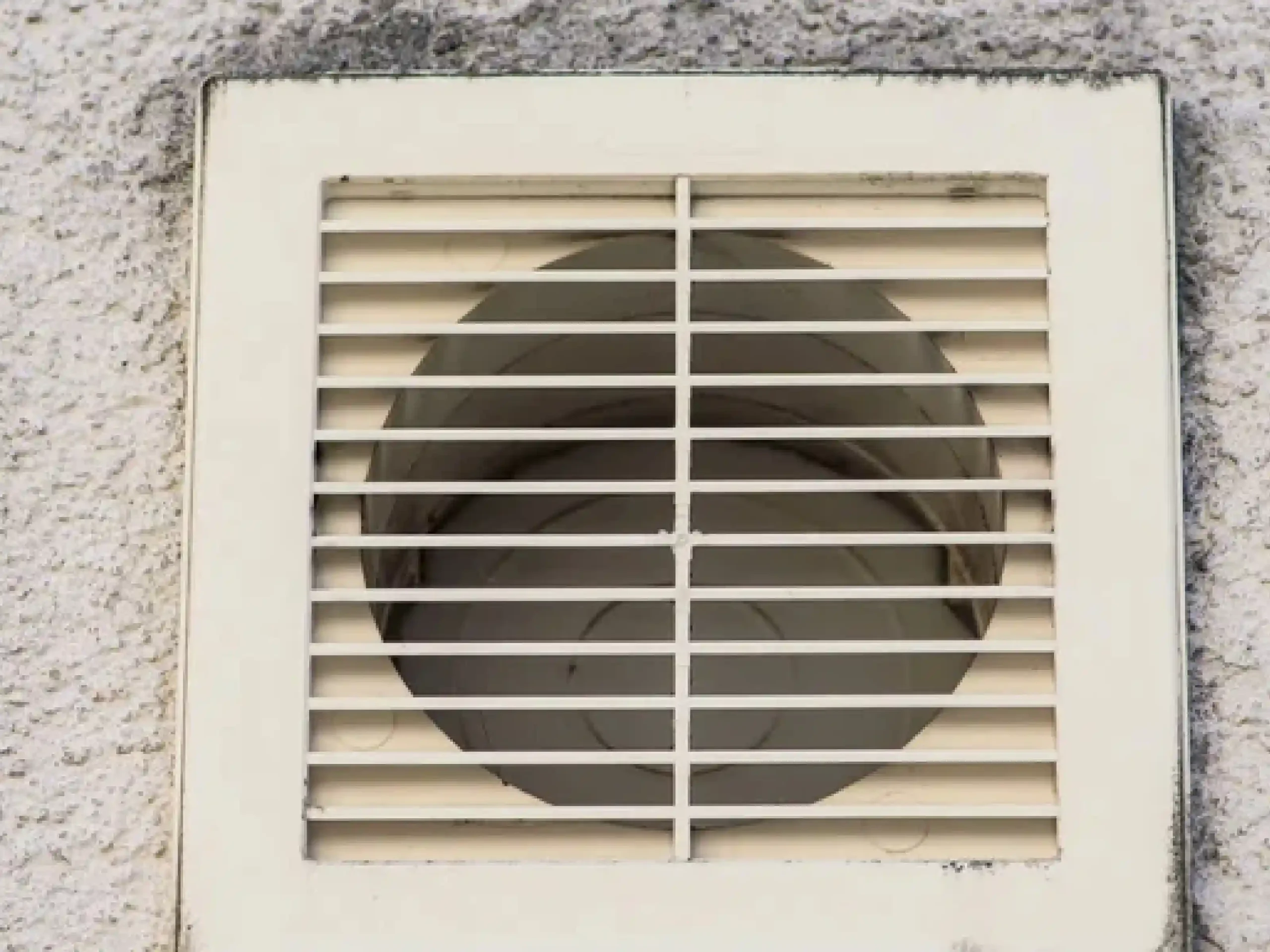
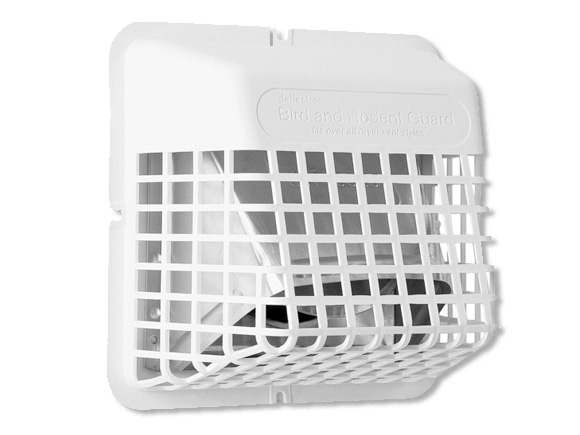
Guards take a beating. Sun, rain, and years of hot exhaust make the screen brittle, the frame warps, and eventually a gap opens wide enough for something to squeeze through. Once the mesh itself packs with lint the guard has become the blockage. We take the old one off, check the hood and the last stretch of duct for anything that already got in, and mount a fresh guard that seals cleanly.
To replace a worn pest guard in Dallas, call (940) 283-9738 or (214) 972-0981.
Long runs are common in Dallas's multi-story buildings, and those runs need booster fans to move air the full distance. When the fan gets dirty or starts to fail, everything downstream suffers: damp laundry, humid air backing into the unit, moisture collecting where it should not. We service the fan itself, clean the impeller and housing, check the electrical connection, and verify it is actually pulling rather than just spinning.
For booster fan service in Dallas, call (940) 283-9738 or (214) 972-0981.
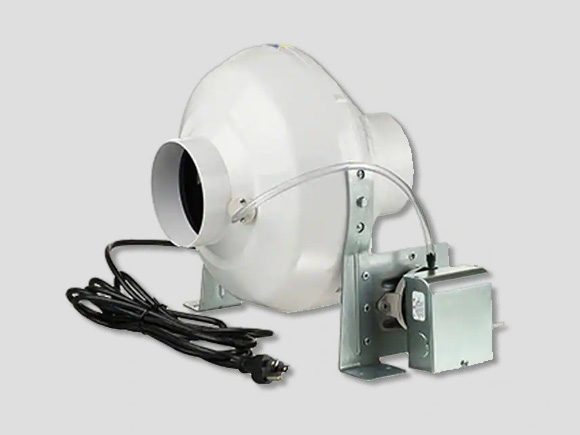
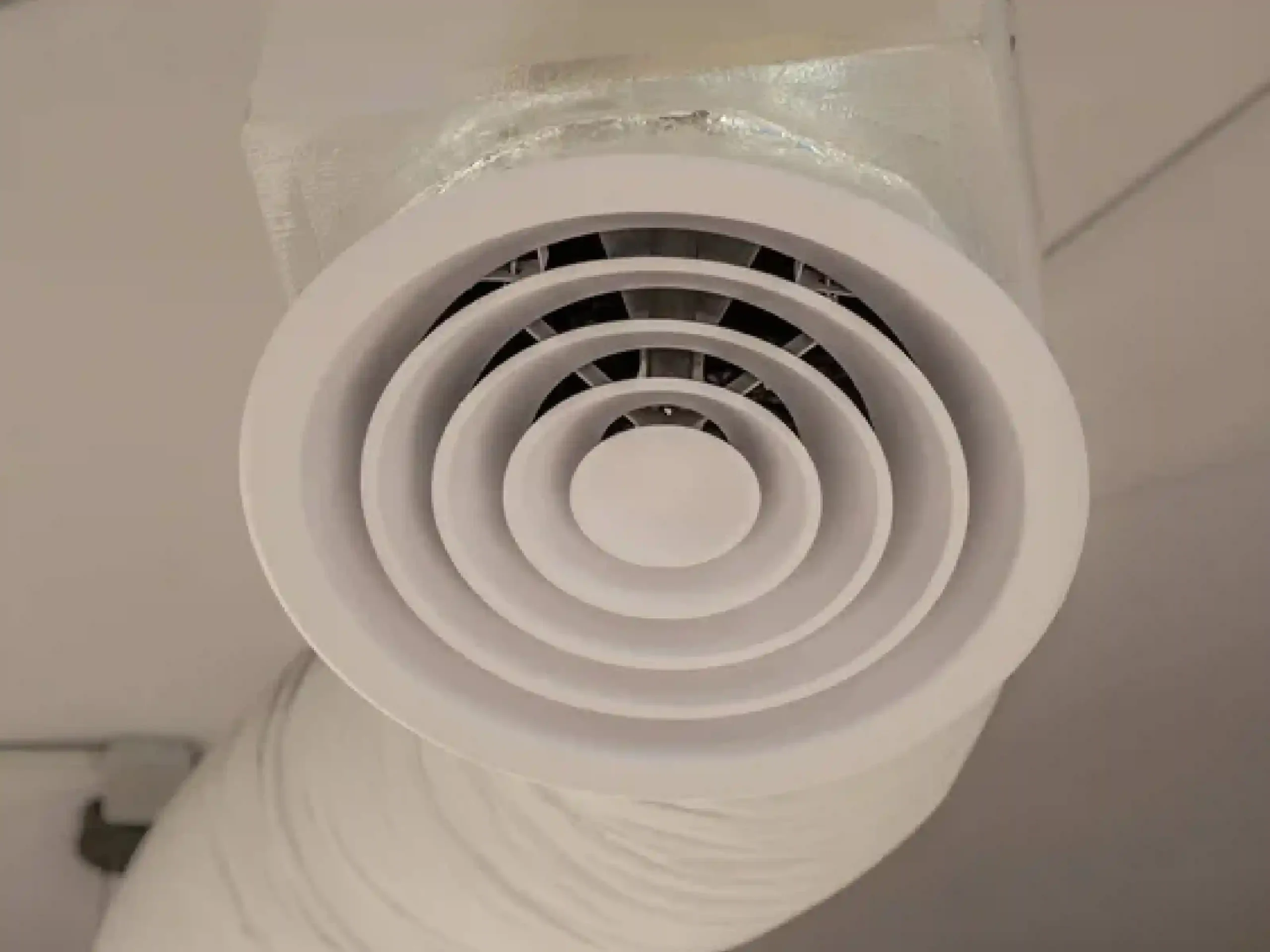
Motors wear out. When a booster fan is loud, intermittent, or simply not moving air, cleaning will not bring it back. We swap it for a unit matched to the length and diameter of the duct, then test the whole run under load so we know exhaust is reaching outside. A fan sized correctly for the system stops the dryer straining against dead air and keeps the laundry area from turning muggy.
Booster fan not moving air? Free estimate on (940) 283-9738 or (214) 972-0981.
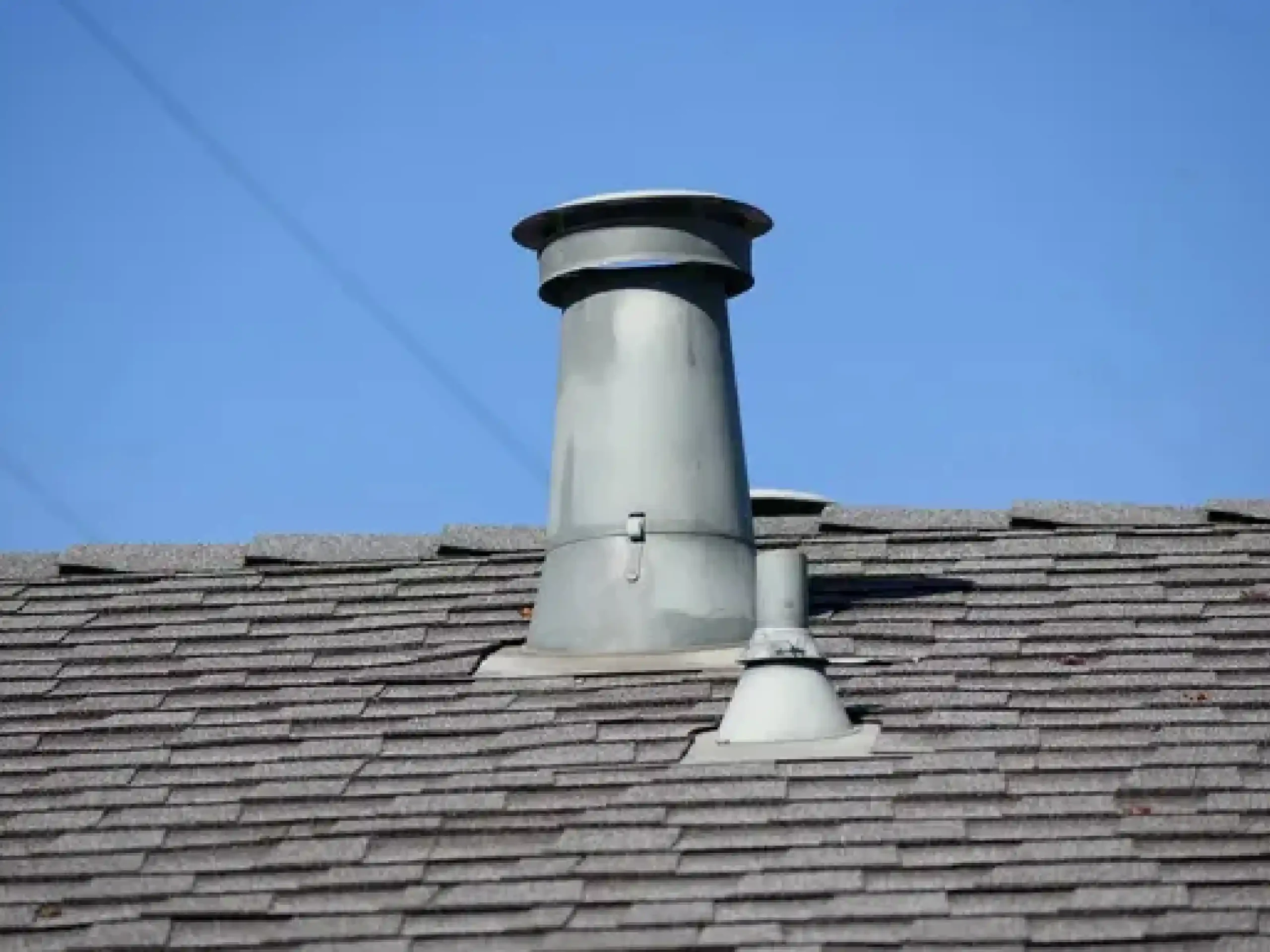
Plenty of Dallas units vent straight up through the roof, and that cap takes the full brunt of North Texas weather. Hail cracks it, sun makes it brittle, and the damper eventually sticks open or stops closing at all. A failed cap lets rain, debris, and pests into the duct from above. We pull the old cap, seal the penetration properly, and set a new one that sheds water and still opens freely under exhaust pressure.
For roof cap replacement in Dallas, call (940) 283-9738 or (214) 972-0981.
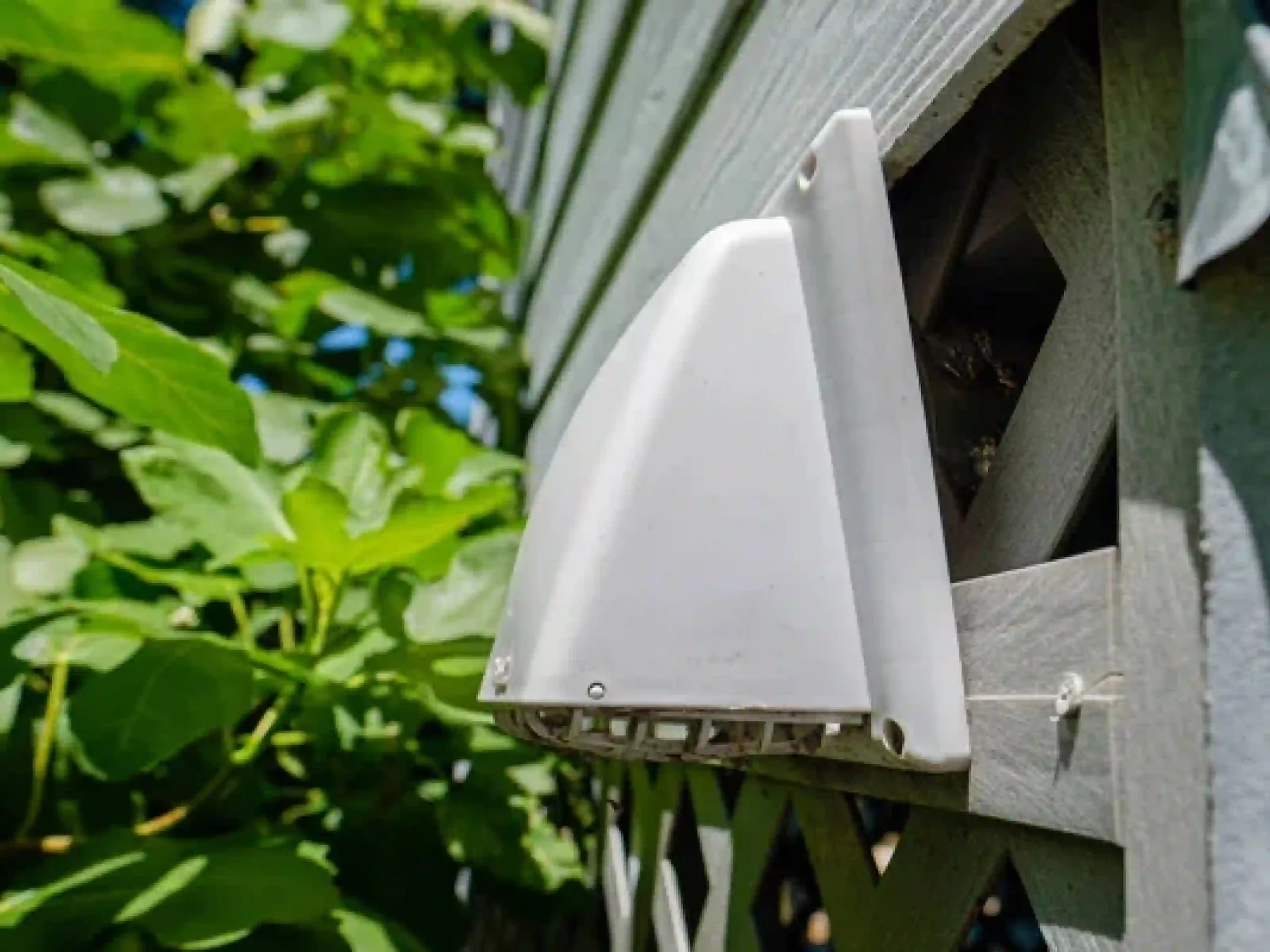
The hood is the small part everybody forgets and the one that causes the most trouble. A missing flapper, a bent louver, or a cover packed with lint chokes the whole system from the last six inches. We fit a hood that matches the duct size, opens easily when the dryer runs, and closes tight when it does not. It keeps rain, insects, and cold air out while letting exhaust leave without resistance.
To have a new vent hood fitted in Dallas, call (940) 283-9738 or (214) 972-0981.
Some vent paths were never workable — too many elbows, too much length, or a route that dumps exhaust somewhere it should not go. This is common in Dallas homes where a laundry room was added long after the house was built. Re-routing straightens that out. We map a shorter cleaner path to an exterior wall or roof, cut down the turns where lint collects, and bring the run in line with current building requirements.
For a dryer vent re-route in Dallas, call (940) 283-9738 or (214) 972-0981.
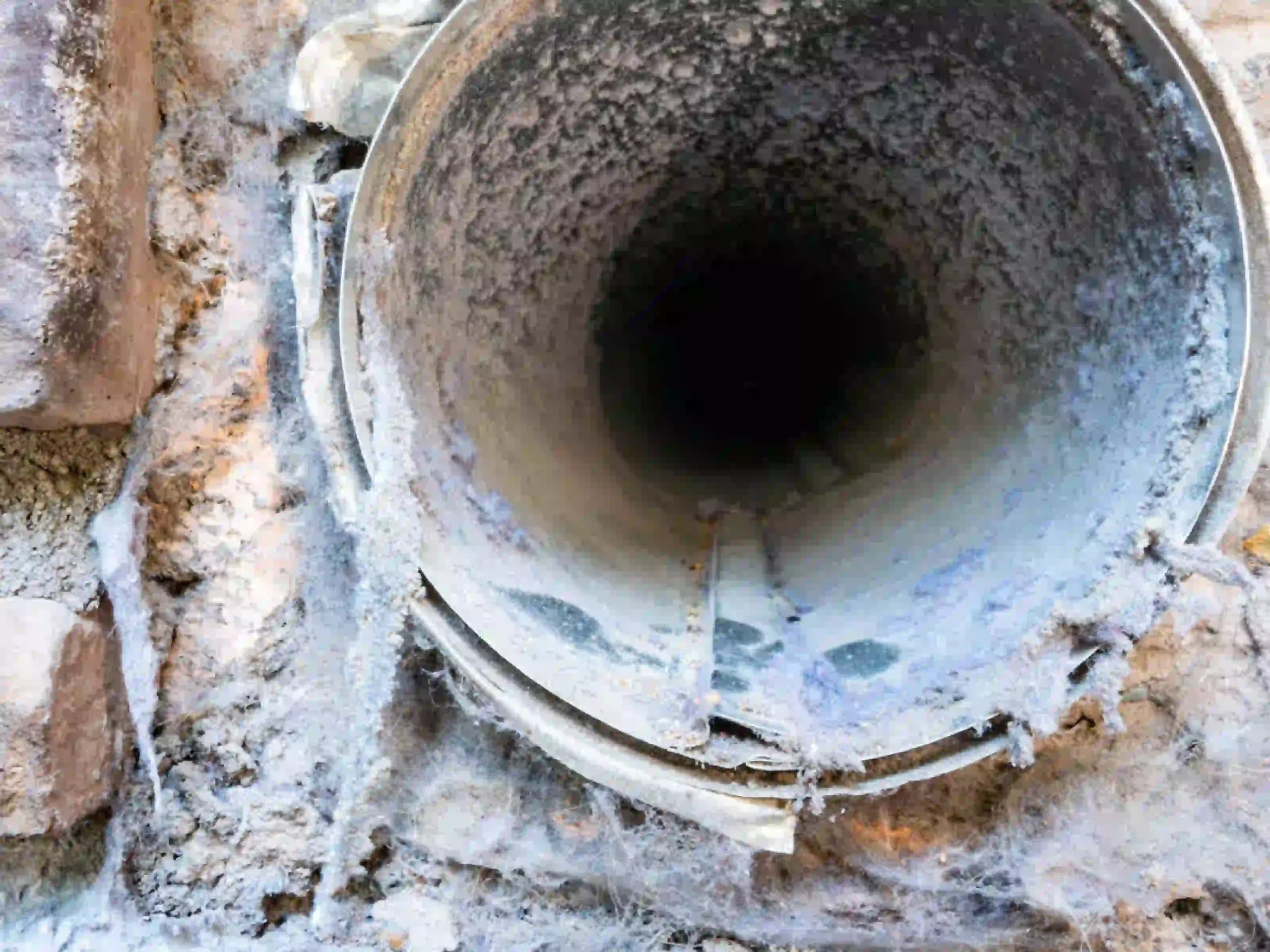
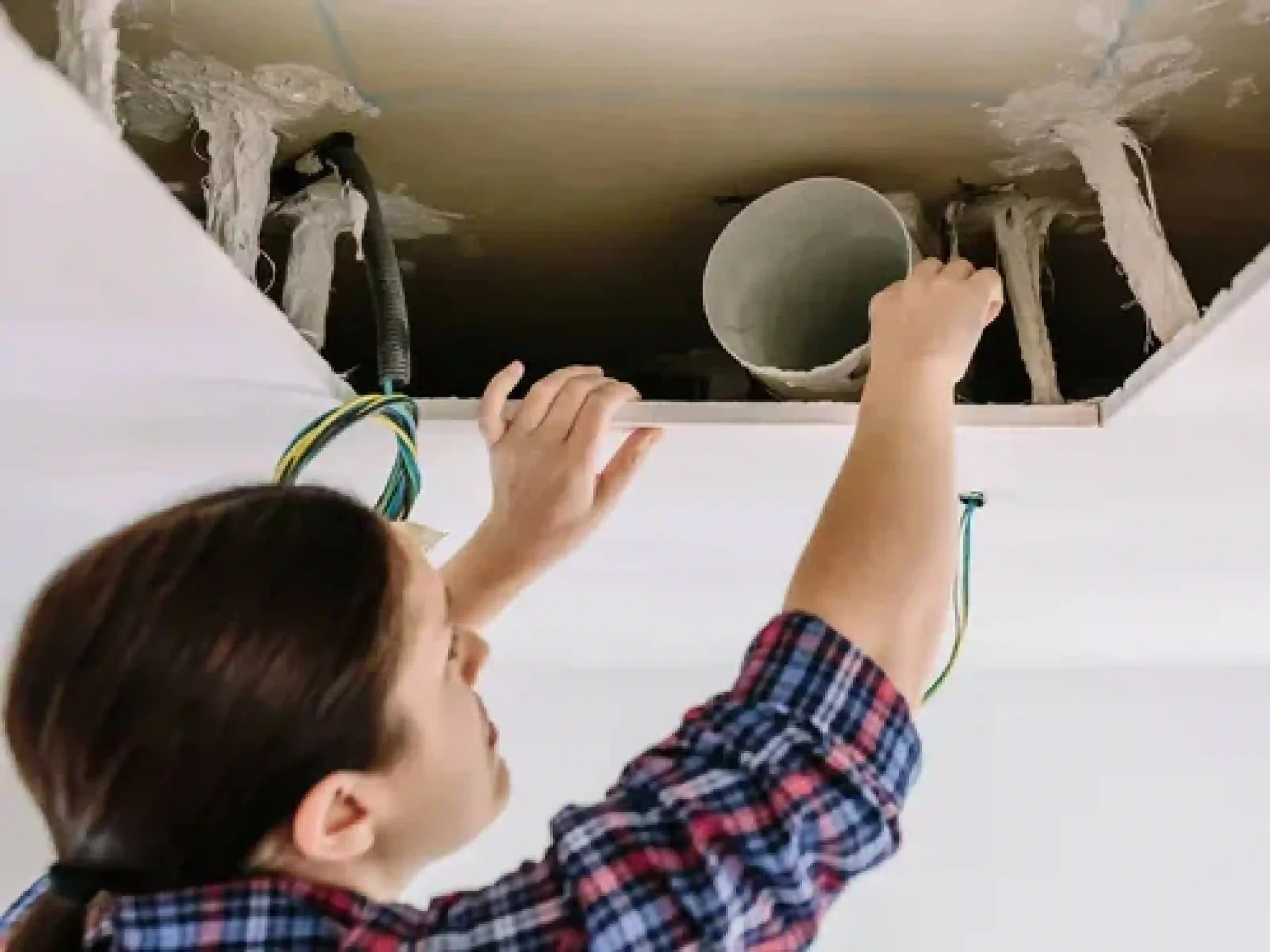
DIY vent kits break, and when a brush head or a section of rod snaps off inside the duct it stays there and catches everything the dryer pushes at it. Airflow drops to almost nothing and the machine starts running hot. Pulling it out takes the right tools and a careful hand — forcing it usually punches through the duct wall. We retrieve the broken piece, inspect the run for damage, and clear the lint that packed up behind it.
Brush stuck in your vent? Free estimate on (940) 283-9738 or (214) 972-0981.
Most homes need it once a year. Larger homes with long duct runs, homes with pets, and anyone doing several loads a day should have it done every six to nine months. If clothes need two cycles to dry, it is already overdue.
A normal house takes 45 minutes to an hour and a half. Repairs or a replacement take longer. We tell you before we start.
Yes. Shared vent runs in apartment buildings need a different approach from a house. We work with property managers and HOAs as well as residents.
Clothes still damp after a full cycle, a laundry room that stays hot, a burning smell, or little air coming from the vent outside while the dryer runs.
Dryer vents are a fire safety issue before they are a laundry one. The DeSoto Fire Prevention Division publishes local codes, inspection checklists, and safety guidance, and details its permit process for fire-related work. Nationally, the U.S. Fire Administration has a clothes dryer fire safety sheet and a fuller residential dryer fire report.
Vent replacement or re-routing may require a permit depending on the work involved. DeSoto handles submissions through permit application submission, and the city's Building Inspections division works alongside the Fire Marshal's Office on code compliance. We're glad to talk through what your job would involve.
DeSoto is one of the oldest communities in North Texas, first settled in 1847 and named for a local doctor when the post office opened in 1881, though it only incorporated in 1949 after residents pushed for a proper water system. It stayed small for decades and then grew fast, which is why the housing stock is so mixed: a modest older core surrounded by successive waves of subdivision building, each with its own venting conventions. Homes from the 1970s and 1980s here are the ones most likely to still have the flexible foil duct that should have been replaced years ago. More on DeSoto is at Wikipedia, and city services are at desototexas.gov.
