Trophy Club was one of the first master-planned communities in Texas, laid out in the 1970s around a golf course, and it still shows that origin: a compact town of about four square miles built in coordinated phases rather than piecemeal. That matters more than it sounds. Whole streets here share the same builder, the same floor plans, and the same venting decisions — so when we find a problem in one house, it is usually worth checking the neighbours.
For a free estimate on dryer vent cleaning in Trophy Club, call (940) 283-9738 or (214) 972-0981.
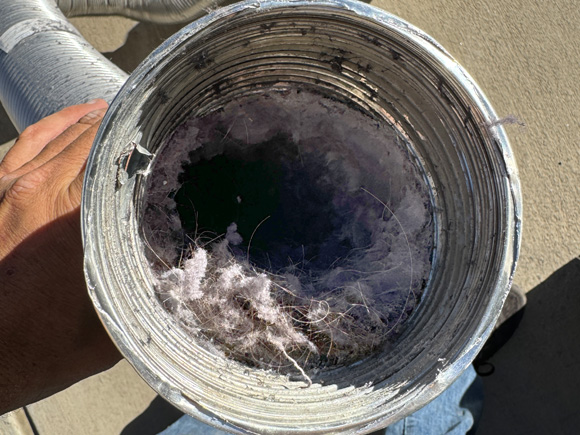
A clog in Trophy Club tends to be a pattern rather than an isolated fault. If a phase was built with the laundry room in the same position and the duct run routed the same way, those runs fill at the same rate and fail at the same bend. Symptoms are the familiar ones — damp clothes, a hot room, nothing at the hood. We locate the obstruction properly, clear the full length, and note where it was.
Blocked vent in Trophy Club? Call us for a free estimate on (940) 283-9738 or (214) 972-0981.
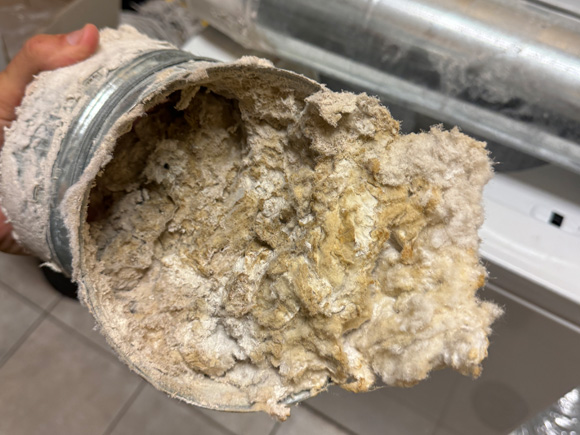
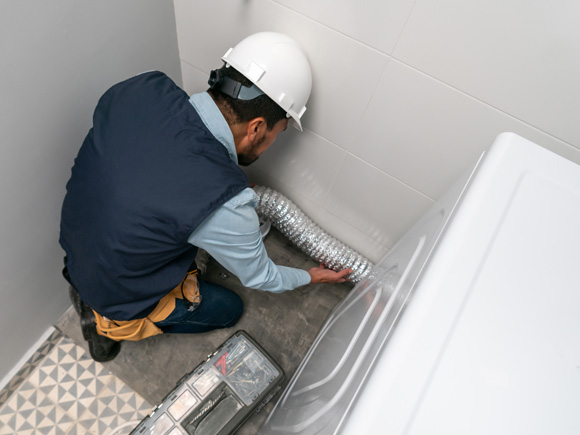
The same coordinated construction means the failures repeat too. If one phase used a particular support method that has not held up, every house in it has the same sagging span. If a builder used screws at a joint where tape belonged, that joint is snagging lint on the same street corner to corner. We trace the whole path, fix the actual fault, and can usually tell you what to expect from the rest of the house.
For dryer vent repair in Trophy Club, call (940) 283-9738 or (214) 972-0981.
Homes from the town's original phases are now old enough that the flexible material of the era has sagged, packed, and in places torn. Later phases are generally in better shape. We replace what genuinely needs it with smooth rigid metal sized to the appliance and properly supported — and we will tell you plainly which category your house falls into rather than treating every address the same.
Need a vent replaced in Trophy Club? Free estimate on (940) 283-9738 or (214) 972-0981.
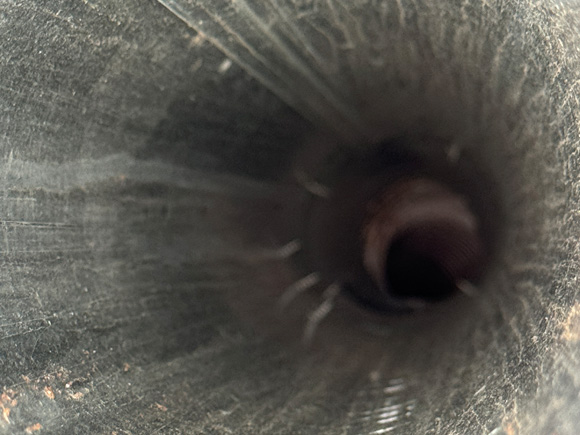
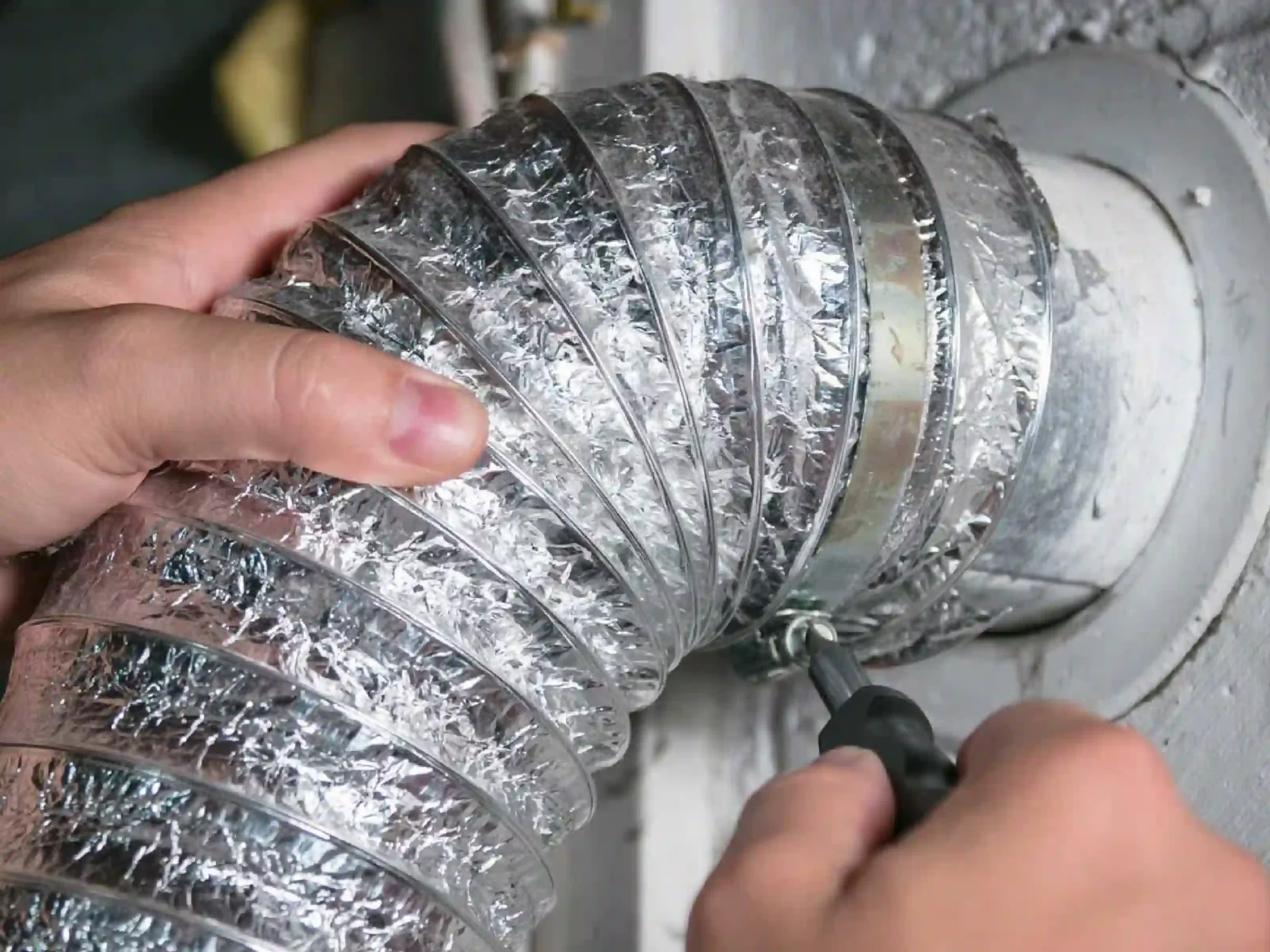
A remodelled laundry room or a relocated dryer is the moment to improve on the original design, and in a planned community the original design is well documented by every other house on the street. We map the shortest workable path, keep elbows to a minimum, seal every joint, and terminate outdoors with a proper hood — never into an attic or garage. Doing it properly once sets a better standard than the phase started with.
For a new dryer vent installation in Trophy Club, call (940) 283-9738 or (214) 972-0981.
An uncovered vent hood is a warm sheltered cavity, and Trophy Club's mature landscaping and golf course greenery keep nesting pressure steady. A properly sized pest guard closes the opening without restricting exhaust. In a community where terminations are identical street to street, birds work through them methodically — if a neighbour has had a nest, it is worth checking yours.
Ask about a pest guard for your Trophy Club home. Call (940) 283-9738 or (214) 972-0981.
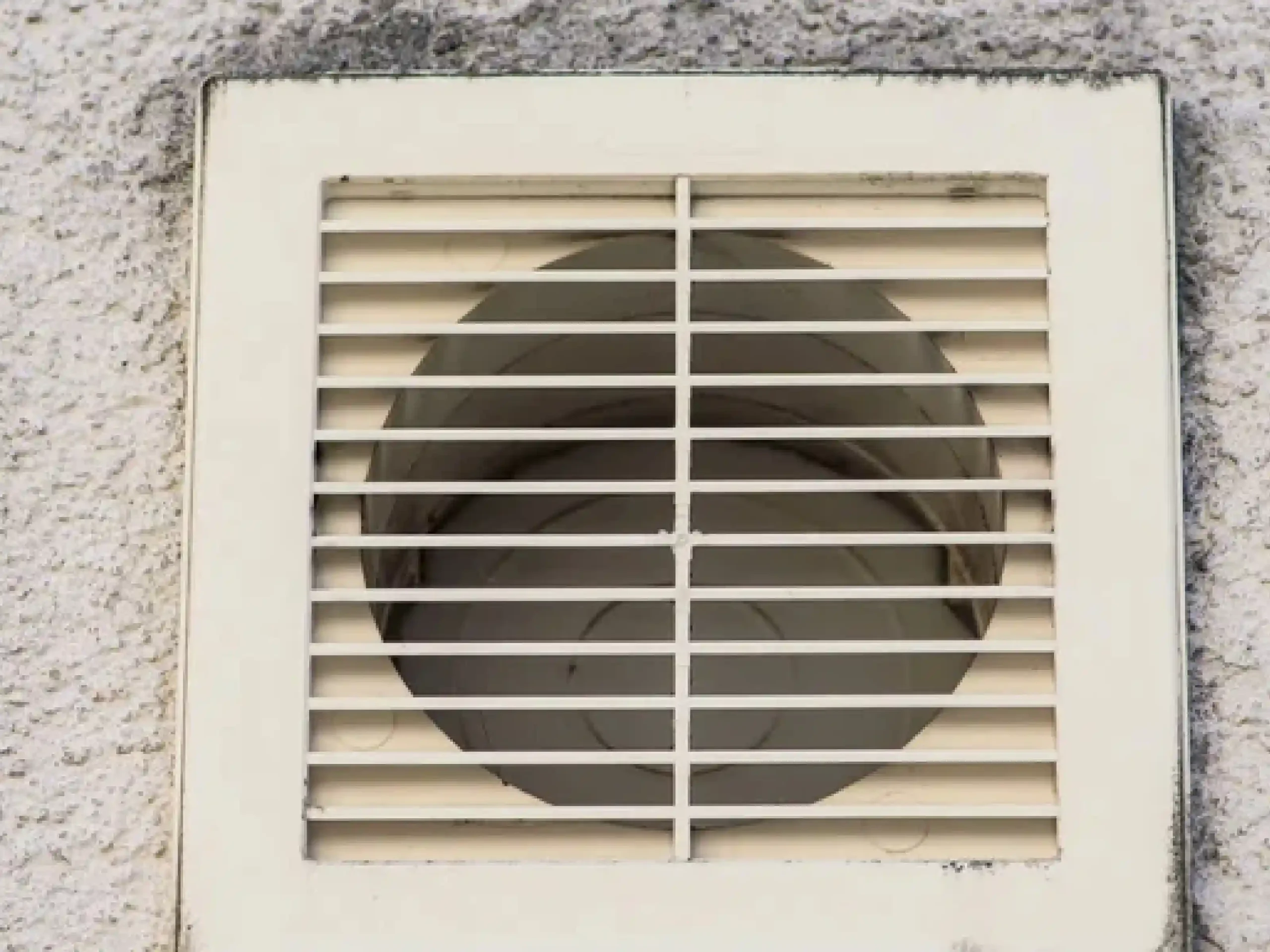
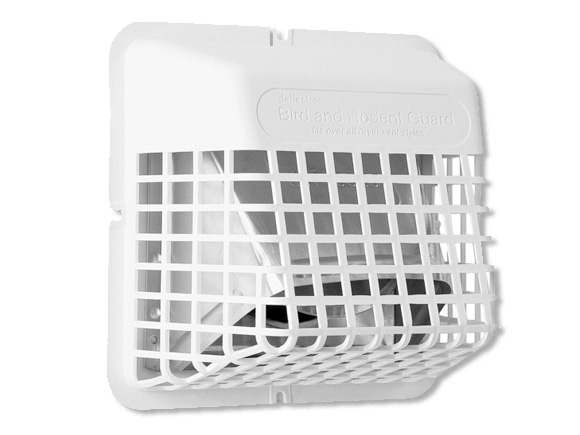
Guards wear out, and in a phase-built community they wear out together, because they went in on the same day from the same supplier. Sun makes the screen brittle, the frame warps, and a gap opens. Once the mesh packs with lint the guard has become the blockage. We remove the old one, check the hood and the last stretch of duct for anything already inside, and fit a replacement that outlasts the original spec.
To replace a worn pest guard in Trophy Club, call (940) 283-9738 or (214) 972-0981.
Where a Trophy Club floor plan puts the laundry room far from an exterior wall, a booster fan is usually part of the original design — which means every house in that phase has one of the same age. When it gets dirty or begins to fail, everything downstream suffers: damp laundry, humid air pushing back into the house, moisture where it should not be. We service the fan and confirm it is genuinely pulling.
For booster fan service in Trophy Club, call (940) 283-9738 or (214) 972-0981.
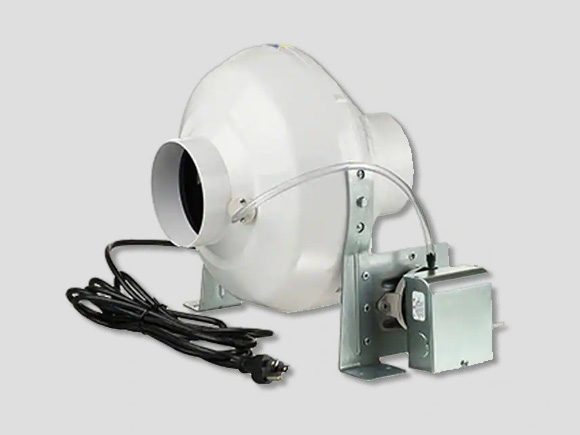
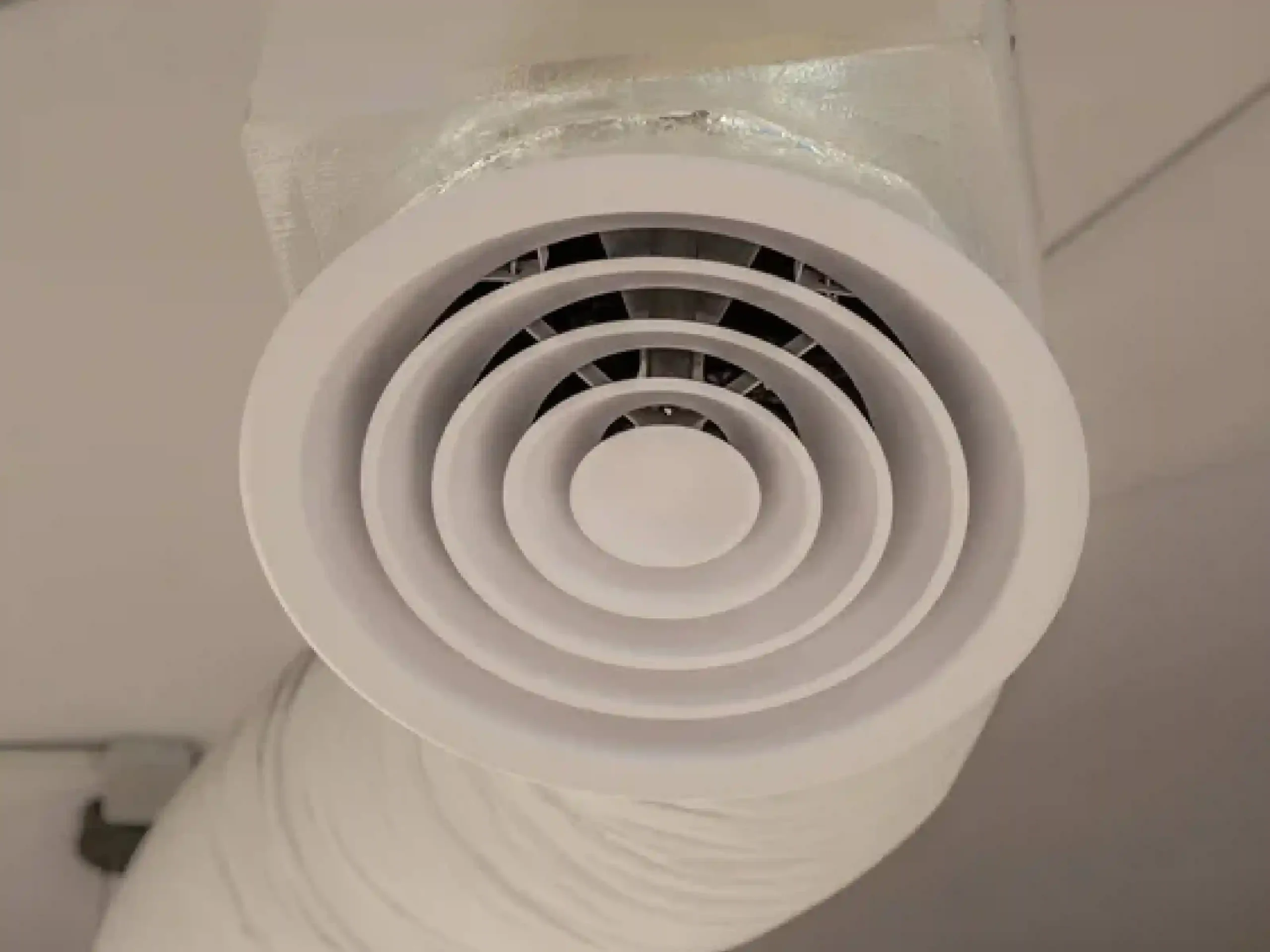
Motors wear out, and in a phase-built neighborhood they reach the end of their life at roughly the same time. A booster fan that runs loud, cuts in and out, or moves no air will not come back with cleaning. We fit a replacement matched to the length and diameter of the duct, then test the whole run under load to confirm exhaust reaches outside and the system clears the distance properly.
Booster fan not moving air? Free estimate on (940) 283-9738 or (214) 972-0981.
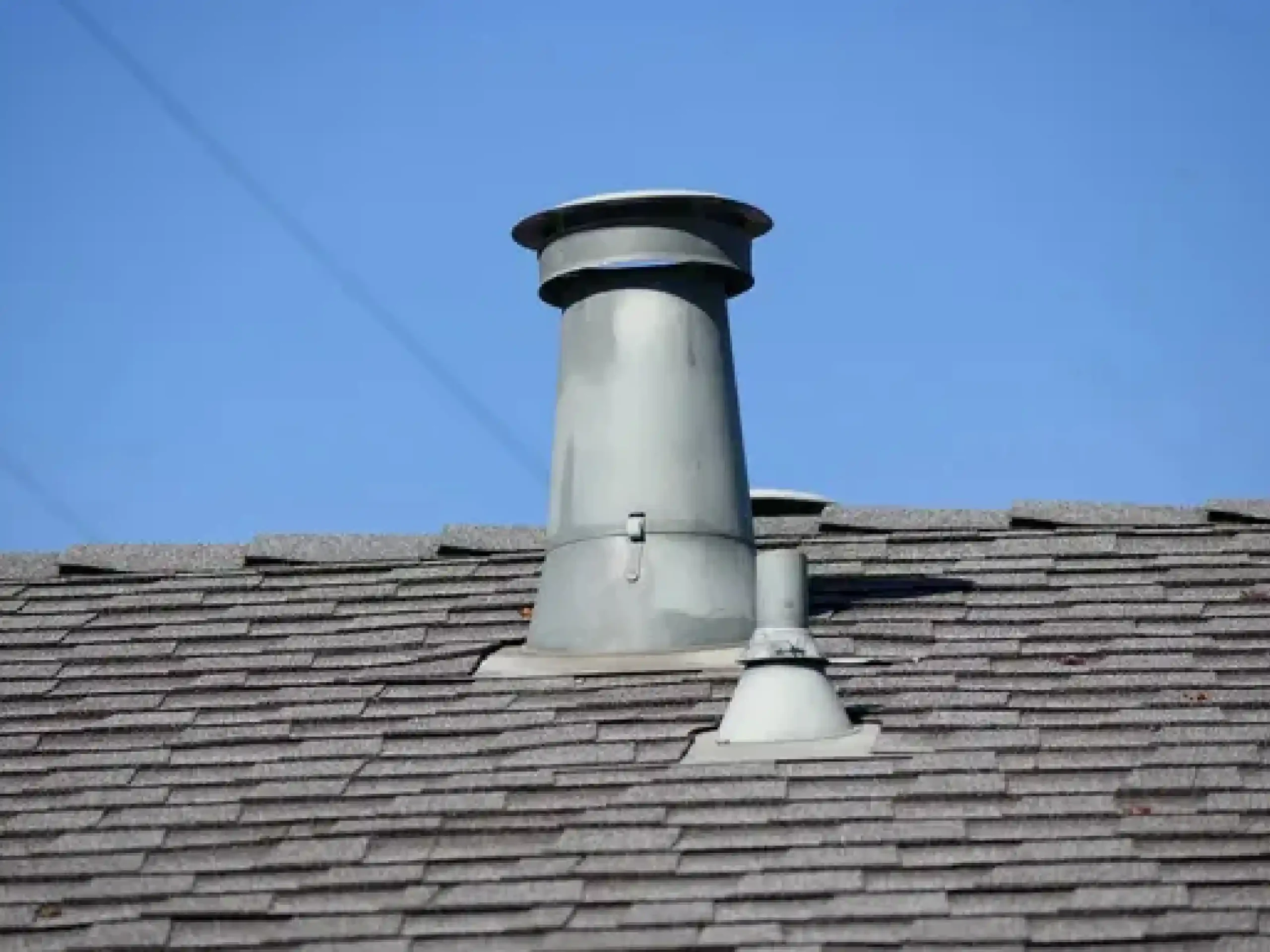
Roof terminations across a Trophy Club phase are the same age, the same hardware, and take the same weather, so they fail on much the same timetable. Hail cracks the housing, sun makes it brittle, and the damper sticks open or stops sealing. A failed cap lets rain into the duct where it mixes with lint. We remove the old cap, seal the penetration properly, and set one that sheds water and opens freely.
For roof cap replacement in Trophy Club, call (940) 283-9738 or (214) 972-0981.
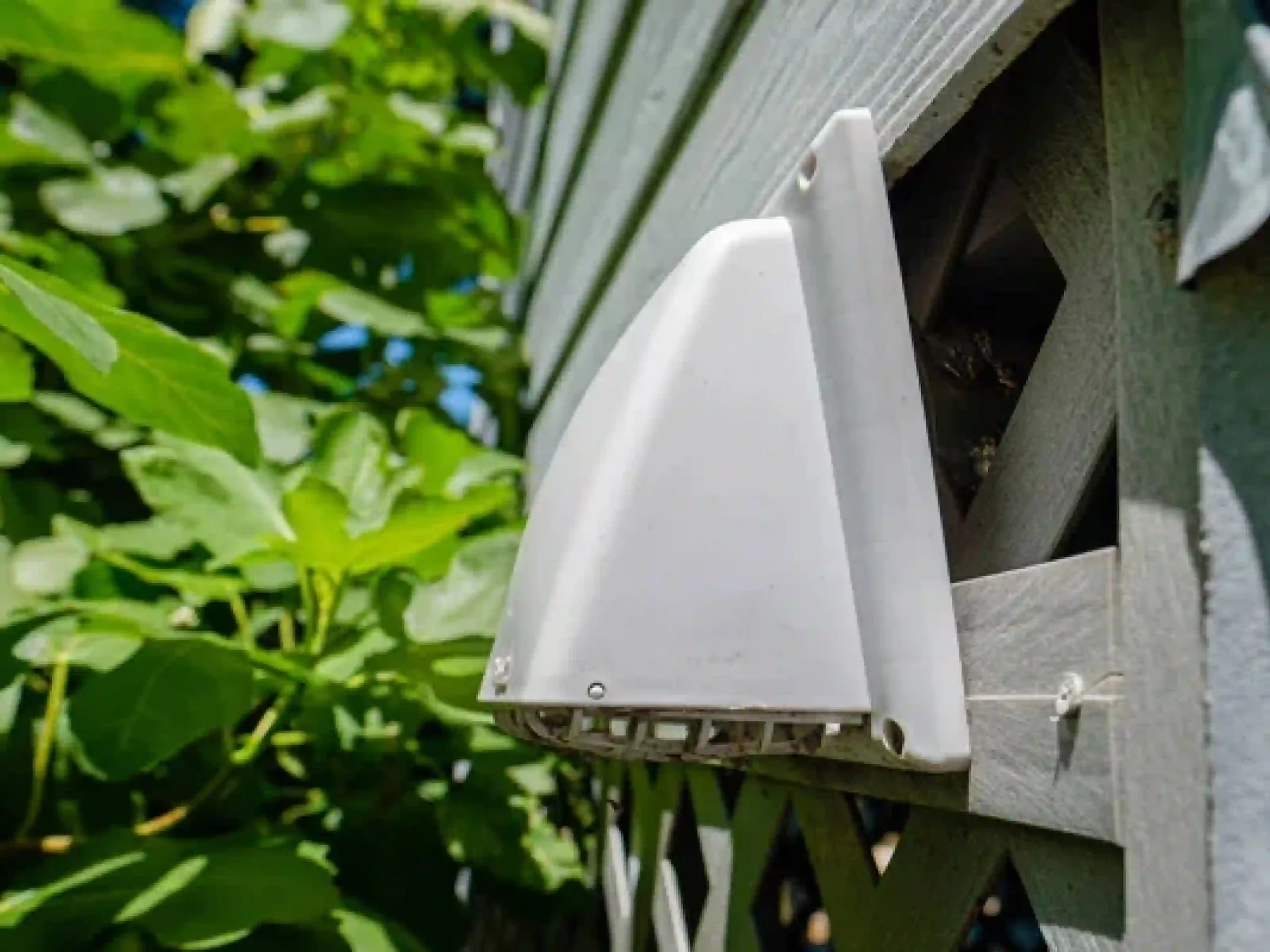
The hood is the last six inches and in a planned community it is the most visible piece of the system, which is why builders chose it on appearance and price. A missing flapper, a bent louver, or a cover matted with lint chokes everything upstream. We fit a hood matched to the duct size that opens easily under exhaust, closes tight when the dryer stops, and looks right on the elevation.
To have a new vent hood fitted in Trophy Club, call (940) 283-9738 or (214) 972-0981.
Re-routing is worth considering in Trophy Club precisely because the original routing was a phase-wide decision rather than a per-house one. What suited the builder's schedule in 1978 is not necessarily the shortest path for your floor plan. We map a cleaner route to an exterior wall or roof, cut the unnecessary turns, and bring the run in line with current requirements. The improvement is usually immediate.
For a dryer vent re-route in Trophy Club, call (940) 283-9738 or (214) 972-0981.
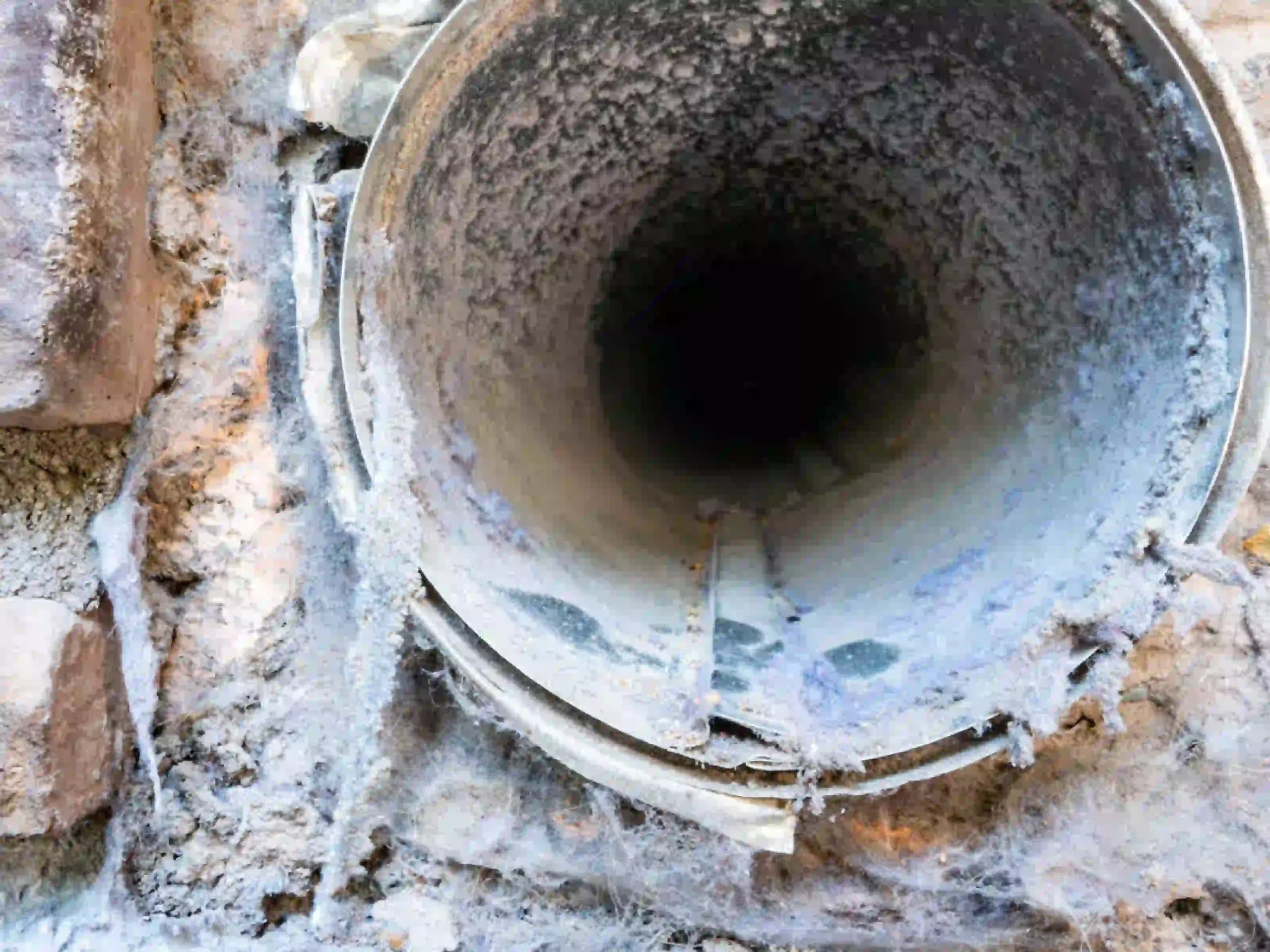
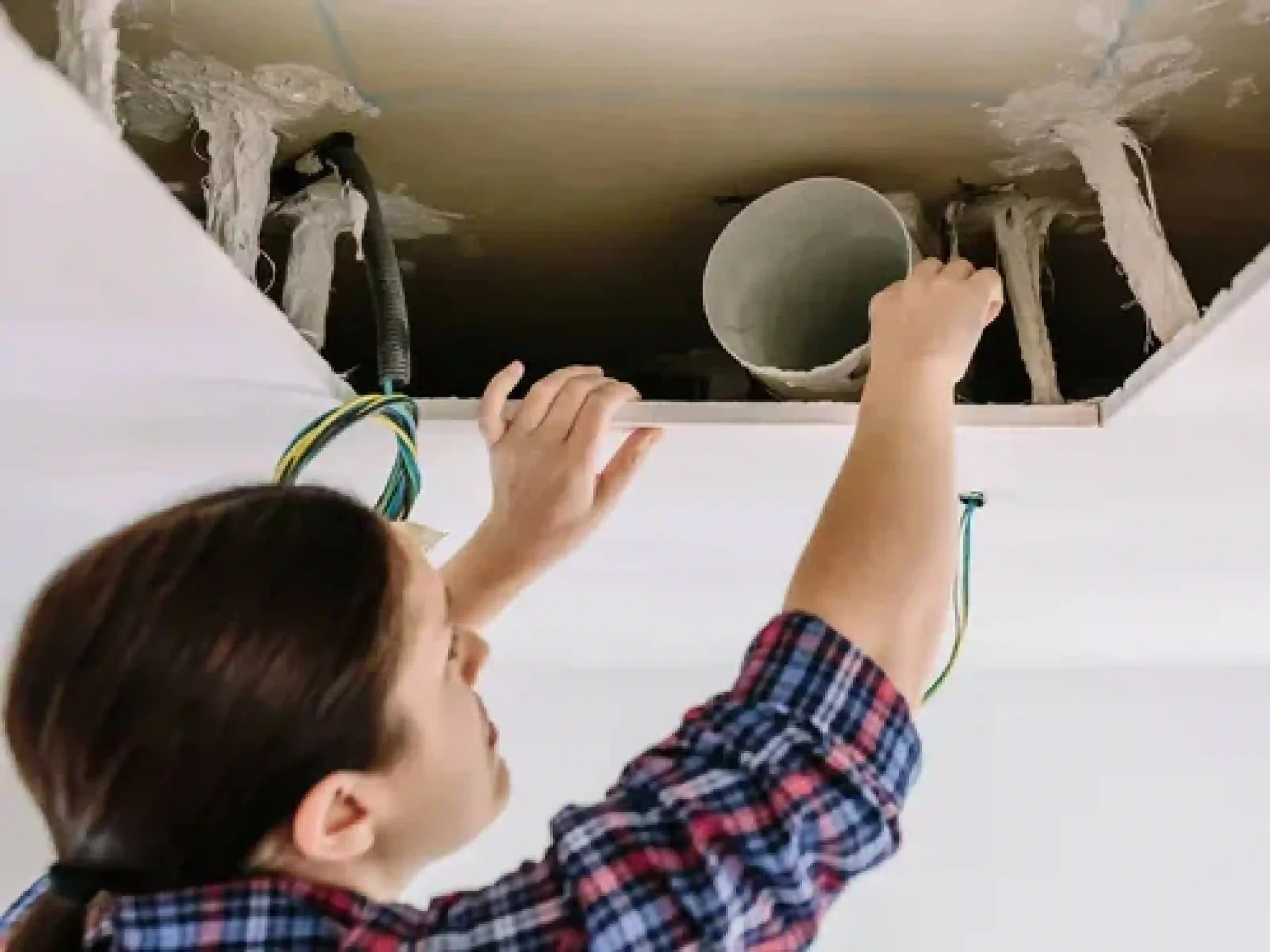
Vent kits break, and in a run with the same tight turn every house on the street shares, the same thing tends to get stuck in the same place. A brush head or a section of rod jammed there catches everything the dryer sends at it, airflow collapses, and the machine runs hot. Forcing it usually punches through the duct. We retrieve the piece carefully, inspect the run, and clear the lint packed behind it.
Brush stuck in your vent? Free estimate on (940) 283-9738 or (214) 972-0981.
Most homes need it once a year. Larger homes with long duct runs, homes with pets, and anyone doing several loads a day should have it done every six to nine months. If clothes need two cycles to dry, it is already overdue.
A normal house takes 45 minutes to an hour and a half. Repairs or a replacement take longer. We tell you before we start.
Yes. Shared vent runs in apartment buildings need a different approach from a house. We work with property managers and HOAs as well as residents.
Clothes still damp after a full cycle, a laundry room that stays hot, a burning smell, or little air coming from the vent outside while the dryer runs.
Dryer vents are a fire safety matter as much as a laundry one. The Trophy Club Fire Department handles prevention, plan review, investigation, and community risk reduction, and its Fire Marshal's Office publishes detailed inspection guidance. For general guidance on dryer vents specifically, the U.S. Fire Administration has a clothes dryer fire safety sheet and a fuller residential dryer fire report.
Trophy Club runs a modern permit process worth knowing about: Building and Inspection Services accepts photo documentation for certain inspections through its online portal, with a 3 p.m. cutoff for next-day scheduling. Applications go through Permitting, and we handle that end of it for you.
Trophy Club was one of the first master-planned communities in Texas, laid out in the 1970s around a golf course, and it still shows that origin: a compact town of about four square miles, built in coordinated phases rather than piecemeal. Practically, that means whole neighborhoods share the same builder, the same floor plans, and the same venting decisions. When we find a problem in one house here, it is usually worth checking the neighbors, because the same run was installed the same way up and down the street. More on Trophy Club is at Wikipedia, and town services are at trophyclub.org.
